Physiotherapy Care for Athletic Recovery and Performance
Sports participation places high demands on the body through speed, force, and repetition. Injuries can occur suddenly during play or develop gradually as training volume and intensity change. Many people seek care for sports injuries in Maple Ridge, BC when pain, stiffness, or reduced performance begins to interfere with training, competition, or daily activity. At CareCo Physio and Massage, physiotherapists focus on restoring movement quality, rebuilding strength, and supporting a safe return to sport and active living.
Understanding Sports Injuries
Sports injuries affect muscles, joints, tendons, and connective tissue that absorb load during activity. These injuries can occur in contact and non-contact sports and often reflect how the body manages force, speed, and coordination. Recovery depends on addressing not only the injured area but also the movement patterns that contributed to the injury.
Physiotherapy for sports injuries focuses on how the entire body moves during sport-specific tasks. Care looks at strength, control, mobility, and coordination to support recovery and reduce the risk of repeat injury.
Factors That Contribute to Sports-Related Injuries
Sports injuries often develop when load exceeds the body’s current capacity. Sudden increases in training intensity, frequency, or duration can strain tissues that are not prepared for higher demands. Inadequate recovery, poor movement mechanics, or muscle imbalances may also contribute.
Previous injuries, reduced strength, or limited mobility can alter how force travels through the body during sport. Physiotherapists at CareCo Physio and Massage assess movement patterns, strength balance, and sport-specific demands to identify why an injury occurred and what needs to change to support recovery.
Common Symptoms Athletes Experience
Symptoms of sports injuries vary depending on the tissue involved. Some athletes experience sharp pain during activity, while others notice aching, stiffness, or swelling that worsens after training. Reduced range of motion, weakness, or loss of confidence with movement may also occur.
Some injuries allow limited participation, while others restrict activity entirely. Continuing to train through symptoms can sometimes increase strain and delay recovery. Physiotherapy helps clarify how symptoms relate to movement demands and guides a safe return to activity.
Techniques Used to Address Sports Injuries
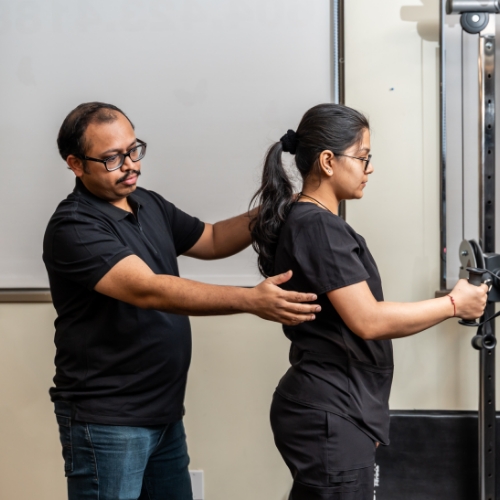
Physiotherapists at CareCo Physio and Massage use a combination of movement-based care, hands-on techniques, and education to support recovery from sports injuries. Techniques may include:
- Hands-on physiotherapy to improve joint mobility and reduce stiffness
- Progressive strengthening to rebuild power and control
- Movement retraining to improve technique and efficiency
- Sport-specific exercises that match training demands
- Education on load management, recovery strategies, and injury prevention
These techniques support steady progress and help athletes return to activity with greater confidence.
Frequently Asked Questions
Can physiotherapy help prevent future sports injuries?
How soon can I return to sport after an injury?
Do I need to stop training completely during recovery?
Why Athletes Choose Care at CareCo Physio and Massage
CareCo Physio and Massage provides one-on-one physiotherapy with longer appointments and focused attention, which gives our physiotherapists the time to understand sport demands and explain findings clearly.
Treatment plans are always individualized, practical, and measurable. This approach supports athletes at all levels, from recreational participants to competitive players, by focusing on functional goals and long-term movement health.
Take the Next Step Toward Recovery and Performance
If a sports injury is affecting your training, performance, or enjoyment of activity, physiotherapy at CareCo Physio and Massage offers structured support focused on movement and return to sport. Working with a physiotherapist can help you rebuild confidence and progress safely.
Your Next Steps…
- Request An Appointment
- Receive A Custom Treatment Plan
- Work Hard and Progress In Your Recovery
- Recover & Enjoy Life Pain-Free