A Targeted Technique to Support Movement and Muscle Comfort
Muscle tightness, soreness, or restricted movement can make everyday tasks feel harder than they should. These symptoms often build over time through work demands, repetitive activity, stress, or changes in movement habits. Many people ask about dry needling in Maple Ridge, BC when stiffness or muscle tension limits comfort during daily life, work, or exercise. At CareCo Physio and Massage, therapists use dry needling as one part of a broader physiotherapy approach that focuses on restoring movement, reducing muscle tension, and supporting confident activity.
What Dry Needling Is and Why People Ask About It
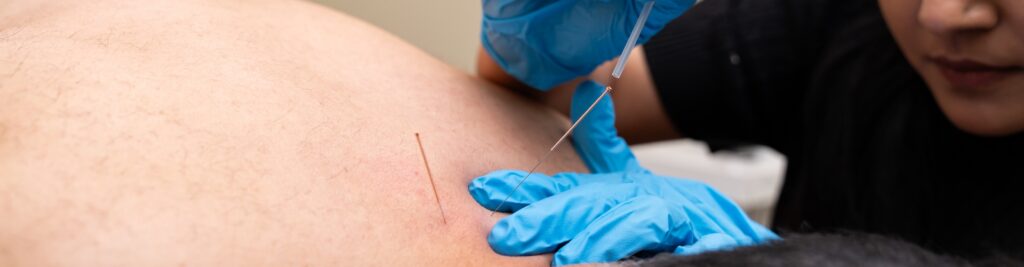
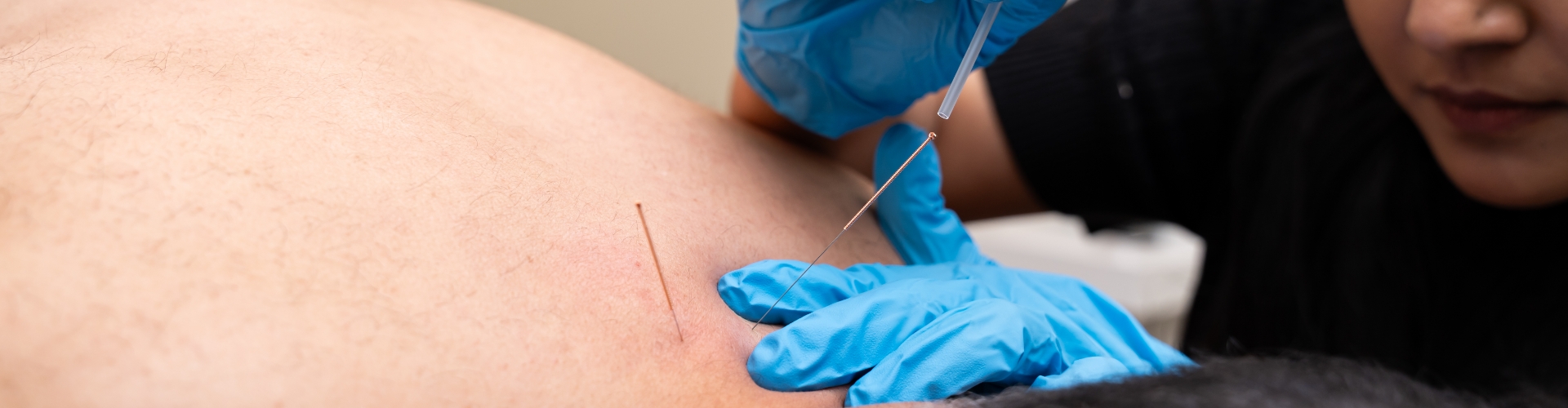
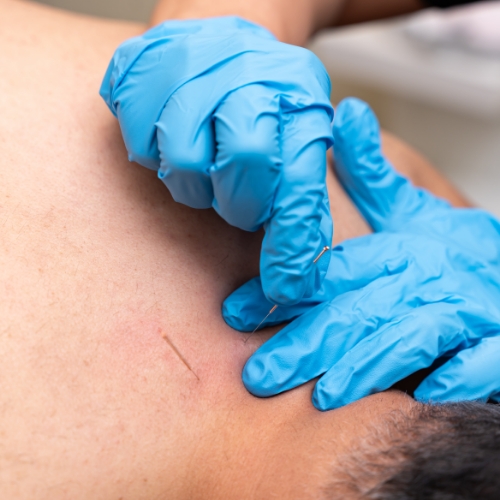
Dry needling is a physiotherapy technique that targets tight or sensitive muscle areas, often called trigger points. These areas can contribute to pain, stiffness, or restricted movement. The technique uses fine, sterile needles to stimulate specific muscle tissue and encourage a change in muscle response.
People often ask about dry needling when muscles feel constantly tight, sore, or difficult to stretch, even with rest or exercise. Others are curious about dry needling when movement feels limited or when muscle tension seems to affect posture or daily activity. Dry needling aims to support muscle relaxation and improve how the body moves.
When Dry Needling May Be Helpful
Therapists at CareCo Physio and Massage may include dry needling as part of care when muscle tension or sensitivity contributes to pain or movement difficulty. It is commonly used when stiffness, weakness, or discomfort interferes with daily tasks or returning to normal activity.
Dry needling is not used in isolation. Therapists recommend it based on an individual assessment and combine it with exercise, movement training, and education to support lasting improvement.
Common Situations Dry Needling May Help
Dry needling may support people who experience:
- Muscle tightness that limits movement
- Ongoing soreness after activity or work
- Restricted range of motion in the neck, back, or limbs
- Muscle tension linked to posture or repetitive tasks
- Discomfort during lifting, reaching, or prolonged sitting
- Difficulty returning to activity after injury
- Headaches or muscle-related tension patterns
- Muscle fatigue that affects daily comfort
Each situation requires individual evaluation to determine whether dry needling is appropriate.
How Dry Needling at CareCo Physio and Massage Supports Your Recovery
At CareCo Physio and Massage, therapists integrate dry needling into a full physiotherapy plan when it fits the individual’s needs. Approaches may include:
- Targeting tight muscle areas to reduce tension, helping movement feel easier
- Combining dry needling with stretching, improving flexibility and comfort
- Using dry needling before exercise, supporting better muscle activation
- Pairing the technique with movement retraining, encouraging smoother motion
- Educating patients on self-management strategies, supporting ongoing progress
- Monitoring response and adjusting care, ensuring treatment remains appropriate
Dry needling works best alongside exercise, movement training, and education. Therapists select and apply the technique based on individual goals, tolerance, and response.
Frequently Asked Questions
Does dry needling help with muscle tightness?
Is dry needling used on its own?
How many dry needling sessions are usually needed?
Our Approach to Dry Needling at CareCo Physio and Massage
CareCo Physio and Massage provides one-on-one care with longer appointments and focused attention. Therapists explain each technique clearly and ensure patients understand how dry needling fits into their overall physiotherapy plan.
The clinic emphasizes evidence-informed care, personalized treatment plans, and measurable progress. This approach helps ensure dry needling supports recovery rather than acting as a short-term solution on its own.
Considering Dry Needling as Part of Your Care
If muscle tightness or movement restriction is affecting your daily comfort or activity, dry needling at CareCo Physio and Massage may be a helpful addition to your physiotherapy plan. When combined with guided exercise and movement education, this technique can support more comfortable and confident movement.
Your Next Steps…
- Request An Appointment
- Receive A Custom Treatment Plan
- Work Hard and Progress In Your Recovery
- Recover & Enjoy Life Pain-Free